


Introduction
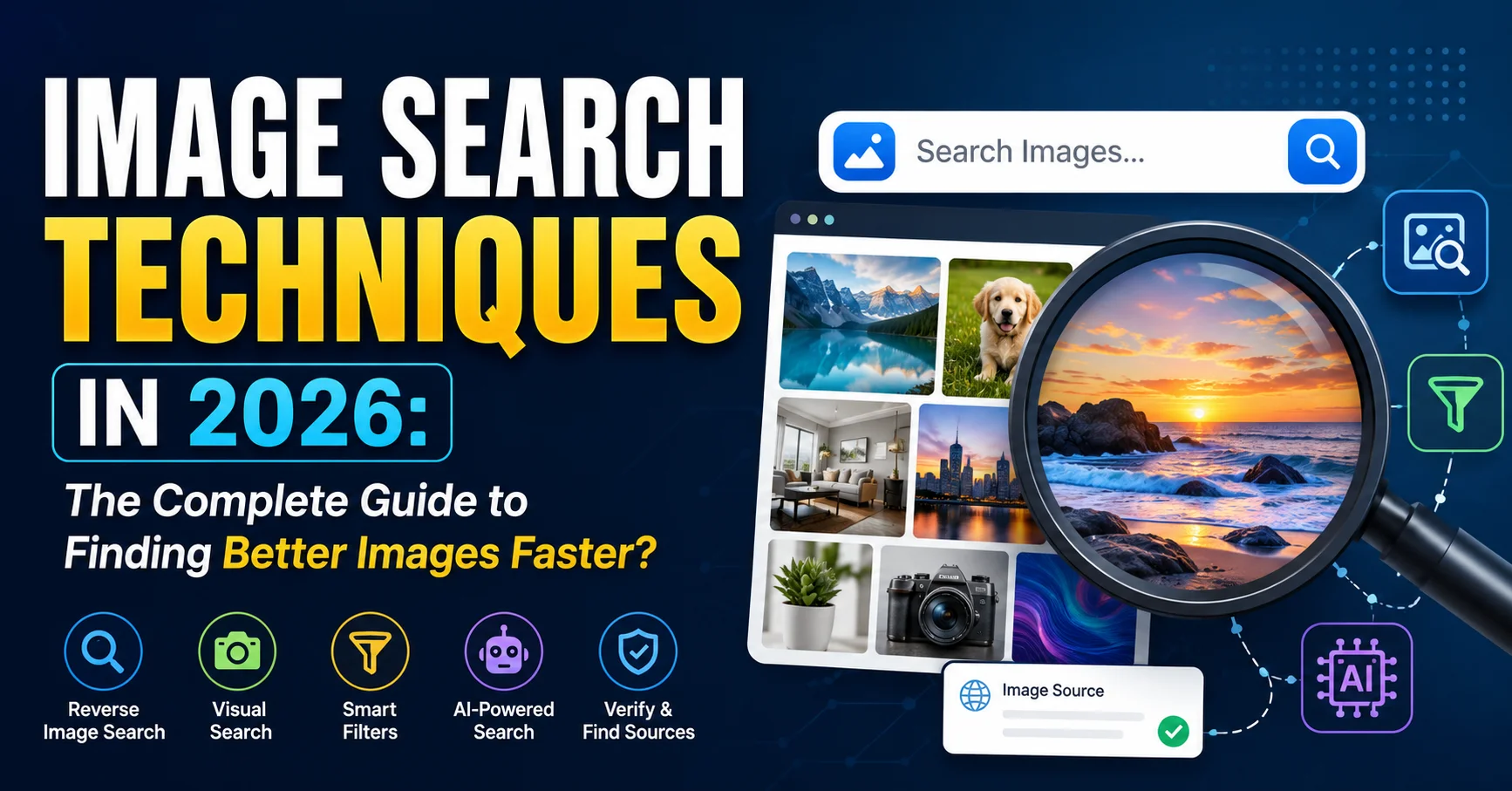
The internet contains billions of images. Every day, people search for photos, illustrations, graphics, products, screenshots, and visual information. Yet many users still struggle to find exactly what they need. This is where effective image search techniques become valuable.
Whether you are a student, blogger, marketer, designer, researcher, or casual internet user, learning smarter ways to search can save hours of frustration. Instead of scrolling endlessly through unrelated results, you can quickly discover high-quality and relevant images.
Over the years, image search technology has improved dramatically. Search engines now use artificial intelligence, visual recognition, metadata analysis, and reverse image search to understand images better than ever before. In 2026, finding the right image is no longer just about typing a few keywords.
This guide explores the most effective image search techniques, explains how modern image search works, and provides practical tips that anyone can use immediately. By the end, you’ll know how to locate better images, verify image sources, discover similar visuals, and improve your overall search experience.
Why Image Search Matters More Than Ever
Visual content dominates the modern internet. Social media platforms, blogs, online stores, and news websites all rely heavily on images. As a result, people need efficient ways to locate visual information.
Good image search techniques help users find accurate results quickly. They reduce wasted time and improve productivity. A marketer can locate campaign visuals faster. A student can find educational diagrams. An online shopper can identify products within seconds.
Image search is also useful for fact-checking. Many misleading posts online use edited or recycled pictures. Reverse image searches can reveal the original source and context.
Another important benefit is inspiration. Designers, artists, content creators, and business owners frequently use image searches to gather ideas and study trends.
The better your search methods become, the easier it is to find trustworthy and useful visual content.
How Modern Image Search Works
Modern image search engines do much more than match keywords. They use advanced algorithms to analyze images and understand visual content.
When you search for a picture, search engines evaluate several factors. These include file names, surrounding text, image metadata, page relevance, and visual elements within the image itself.
Artificial intelligence can now identify objects, people, colors, landmarks, animals, and products. This allows search engines to deliver highly accurate results.
Table: How Image Search Engines Analyze Images
| Factor | Purpose |
|---|---|
| Keywords | Understand user intent |
| Metadata | Provides image details |
| Alt Text | Describes image content |
| AI Recognition | Detects objects and subjects |
| Page Context | Evaluates surrounding content |
| User Behavior | Improves future relevance |
Because of these advancements, image search techniques now involve both keyword optimization and visual recognition methods.
Start With Specific Search Queries
One of the simplest ways to improve image search results is to use detailed search terms.
Many users enter broad phrases such as “dog” or “car.” These searches generate millions of results. Instead, adding descriptive details narrows the results significantly.
For example:
- Golden Retriever puppy playing
- Red sports car on mountain road
- Modern home office setup
Specific searches help search engines understand exactly what you want.
Think about colors, locations, styles, sizes, activities, and time periods. Adding these details can dramatically improve image quality and relevance.
Among all image search techniques, refining keywords remains one of the most effective and easiest methods.
Use Reverse Image Search for Better Results
Reverse image search has become one of the most powerful tools available online.
Instead of typing keywords, users upload an image or paste an image URL. The search engine then analyzes the picture and finds matching or similar images.
This method helps people:
- Find image sources
- Identify unknown objects
- Verify authenticity
- Discover higher-resolution versions
- Locate similar products
Imagine finding a beautiful chair on social media. A reverse image search can help identify the brand, retailer, or manufacturer.
This approach has become an essential part of modern image search techniques because it works even when you do not know the correct keywords.
Search by Image Instead of Text
Visual search technology continues to improve in 2026. Many search platforms now allow users to search directly with images.
This process works similarly to reverse image search but often includes additional AI-powered recommendations.
The system examines visual features such as:
- Shapes
- Colors
- Patterns
- Objects
- Textures
It then compares those features against massive image databases.
This method is especially useful when searching for fashion items, furniture, artwork, landmarks, or products.
Users often discover more accurate matches through visual search than traditional keyword searches.
Master Image Search Filters
Many people ignore search filters, but they can dramatically improve results.
Most image search platforms offer filtering options that help narrow results quickly.
Table: Useful Image Search Filters
| Filter Type | Benefit |
|---|---|
| Size | Find large images |
| Color | Search specific colors |
| Type | Photos, drawings, GIFs |
| Date | Recent images only |
| Usage Rights | Reusable images |
| Orientation | Landscape or portrait |
Applying filters eliminates irrelevant results and saves valuable time.
Professional content creators frequently rely on filters as part of their regular image search techniques workflow.
Find Copyright-Free and Licensed Images
Using images legally is important for bloggers, businesses, and content creators.
Not every image online is free to use. Some images require attribution, while others require licensing fees.
When searching for reusable images, always check usage rights and licensing terms.
Common image licensing categories include:
Table: Common Image Licenses
| License Type | Usage Rules |
|---|---|
| Public Domain | Free to use |
| Creative Commons | May require attribution |
| Editorial Use | Limited commercial use |
| Royalty-Free | Licensed usage |
| Rights Managed | Specific permissions required |
Understanding image licensing is an important part of responsible image search techniques.
Use Advanced Search Operators
Advanced search operators can refine image searches even further.
These special commands help narrow results to specific websites, file types, or topics.
Examples include:
- site:example.com
- filetype:jpg
- intitle:image
For example:
“mountain landscape site:nationalparkservice.gov”
This limits results to a specific website.
Advanced operators are particularly useful for researchers, journalists, and professionals seeking highly targeted visuals.
Although many casual users overlook them, they remain among the most effective image search techniques available.
Identify Fake or Misleading Images
Misinformation spreads quickly online. Images are often edited, cropped, or taken out of context.
Learning how to verify images helps protect against false information.
Start by performing a reverse image search. Then compare publication dates and sources.
Check for:
- Original upload dates
- Multiple source confirmations
- Signs of manipulation
- Image inconsistencies
AI-generated images have also become increasingly common. While many are harmless, some may be used to spread misleading information.
Strong verification habits should be part of everyone’s image search techniques toolkit.
Improve Product Searches With Visual Tools
Online shopping has changed dramatically thanks to visual search technology.
Many platforms now allow users to upload photos of products they like. The system then identifies similar products available for purchase.
This approach is especially useful for:
- Clothing
- Shoes
- Furniture
- Electronics
- Home decor
A user can photograph an item in a store or screenshot a social media post and instantly locate comparable products.
These shopping-focused image search techniques save time and help consumers compare prices more effectively.
Use AI-Powered Image Search Features
Artificial intelligence continues to transform image search.
Modern AI systems can understand image content with remarkable accuracy. They recognize faces, objects, locations, emotions, and even complex scenes.
AI-powered search offers several advantages:
- Better image recommendations
- Improved visual matching
- Faster search results
- Context-aware suggestions
- Enhanced object recognition
As AI technology evolves, image search techniques will become even more precise and personalized.
Many experts expect conversational image search to become increasingly common, allowing users to describe images naturally.
Optimize Your Own Images for Search Visibility
If you own a website, image optimization helps your content appear in search results.
Search engines cannot fully understand images without supporting information.
Best practices include:
- Descriptive file names
- Clear alt text
- Optimized image sizes
- Relevant captions
- Structured data
Table: Image SEO Best Practices
| Practice | Benefit |
|---|---|
| Descriptive Filename | Better indexing |
| Alt Text | Accessibility and SEO |
| Compression | Faster loading |
| Captions | More context |
| Structured Data | Rich search results |
These optimization strategies help search engines understand and rank images more effectively.
Common Mistakes People Make During Image Searches
Many users unintentionally limit their results by making simple mistakes.
Common issues include:
- Using overly broad keywords
- Ignoring filters
- Skipping reverse searches
- Forgetting licensing checks
- Trusting images without verification
Another mistake is relying on a single search engine. Different platforms often produce different results.
Exploring multiple tools can reveal images that may not appear elsewhere.
Avoiding these errors can significantly improve the success of your image search techniques.
Future Trends in Image Search
The future of image search looks exciting.
Artificial intelligence, machine learning, and computer vision continue to improve rapidly. Search engines are becoming better at understanding visual content and user intent.
Expected developments include:
- Real-time object recognition
- Augmented reality searches
- Voice-powered image discovery
- Personalized visual recommendations
- Enhanced AI-generated image detection
These innovations will make image search faster, smarter, and more intuitive.
As technology advances, users who understand modern image search techniques will benefit the most.
Frequently Asked Questions
What are image search techniques?
Image search techniques are methods used to find images more efficiently. They include keyword searches, reverse image searches, visual searches, filtering options, and advanced search operators.
How does reverse image search work?
Reverse image search analyzes an uploaded image and compares it to similar images across the internet. It helps identify sources, products, and related visuals.
Why are search filters important?
Filters reduce irrelevant results and help users find images based on size, color, type, date, and usage rights.
Can image search help identify fake photos?
Yes. Reverse image search can reveal original sources, publication dates, and previous uses of an image, helping verify authenticity.
What is the best way to find copyright-free images?
Use image search filters for usage rights and always review licensing information before using any image for personal or commercial purposes.
Conclusion
Learning effective image search techniques can completely change how you find visual content online. Instead of wasting time scrolling through endless results, you can locate accurate, high-quality images quickly and efficiently.
From reverse image search and AI-powered visual recognition to advanced filters and copyright checks, today’s tools offer powerful ways to improve search accuracy. These methods help students, professionals, marketers, designers, and everyday internet users make smarter decisions.
The most successful users combine several image search techniques rather than relying on a single approach. They refine keywords, use visual search tools, verify image authenticity, and pay attention to licensing requirements.
As image search technology continues to evolve in 2026 and beyond, staying informed about these strategies will help you find better images, save valuable time, and navigate the visual web with confidence.
