


Introduction
Technology has changed the way people manage daily life. From finding lost devices to tracking deliveries, modern tracking tools help save time and reduce stress. One term that is gaining attention in online searches is tracqueur. While the word may seem unfamiliar to some people, it is often connected with tracking systems, location monitoring, GPS technology, and digital tracking solutions.
In 2026, the demand for tracking technology continues to grow. Businesses use tracking tools to manage fleets and deliveries. Families use them to keep loved ones safe. Travelers rely on them to locate vehicles and luggage. Because of these practical uses, interest in the solutions has increased across many industries.
This guide explains everything you need to know about tracqueur technology. We will explore its meaning, how it works, its benefits, safety concerns, real-world applications, and future developments. Whether you are a beginner or someone researching modern tracking systems, this article will help you understand the topic in simple and easy language.
What Does Tracqueur Mean?
The term tracqueur comes from the French word for “tracker.” In modern usage, it usually refers to a tool, device, software program, or system designed to track a person, vehicle, object, package, or digital activity.
A tracqueur may use GPS signals, wireless networks, mobile connections, or internet-based technologies to collect and share location information. Depending on the purpose, tracking systems can provide real-time updates or historical movement records.
Today, the word is often associated with GPS trackers, vehicle tracking systems, fitness tracking devices, and digital monitoring tools. As technology evolves, solutions continue to become more accurate, affordable, and user-friendly.
Why Tracqueur Technology Is Growing in Popularity
People want more control over their assets, safety, and information. This demand has encouraged rapid growth in tracking technologies.
Several factors have contributed to the popularity of tracqueur systems:
| Reason | Benefit |
|---|---|
| Better GPS technology | Improved accuracy |
| Lower device costs | Affordable solutions |
| Smartphone integration | Easy access |
| Real-time updates | Faster decision-making |
| Improved safety features | Better protection |
Modern users appreciate convenience. A tracqueur system can provide instant information without requiring advanced technical skills. This simplicity makes tracking technology attractive to individuals and businesses alike.
How a Tracqueur Works
Most tracqueur systems follow a simple process. First, the tracker collects location or movement data. Then, it sends that information to a server or cloud platform. Finally, users access the data through an app or website.
The exact technology depends on the device. Some trackers use GPS satellites. Others rely on Wi-Fi signals, Bluetooth connections, or cellular networks.
Basic Tracking Process
| Step | Description |
| Data Collection | Device gathers location information |
| Signal Transmission | Data is sent through a network |
| Processing | Software organizes information |
| User Access | Results appear in an app or dashboard |
This process happens quickly, often within seconds. Users can monitor locations in near real time.
Different Types of Tracqueur Systems
Not all tracking systems serve the same purpose. Different tracqueur solutions are designed for specific needs.
GPS Trackers
GPS trackers are among the most common tracking devices. They use satellite signals to determine exact locations.
Vehicle Tracking Systems
Businesses often use vehicle trackers to monitor company cars, trucks, and delivery vehicles.
Personal Trackers
These devices help track children, elderly family members, or individuals with medical conditions.
Fitness Trackers
Wearable devices monitor movement, exercise, and health-related activities.
Asset Trackers
Companies use asset tracking tools to monitor equipment, tools, and inventory.
Each category serves a unique purpose while sharing the same goal: providing accurate tracking information.
Key Features Found in Modern Tracqueur Devices
Tracking technology has advanced significantly over the past decade. Today’s systems offer more than simple location tracking.
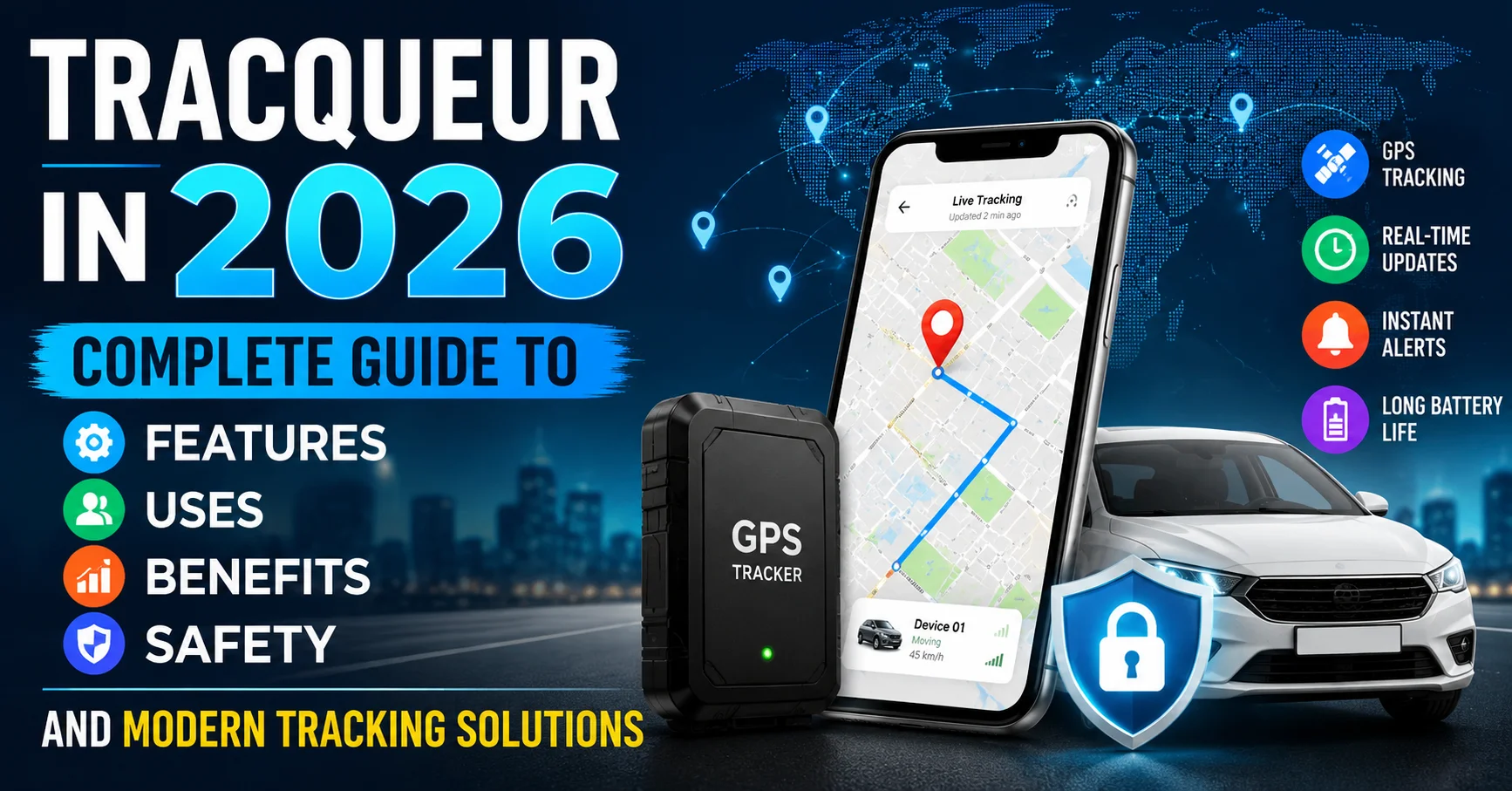
Common features include:
| Feature | Purpose |
| Live GPS Tracking | Real-time location updates |
| Geofencing | Alerts when entering or leaving areas |
| Movement History | Review past locations |
| Speed Monitoring | Vehicle safety management |
| Mobile Notifications | Instant alerts |
| Cloud Storage | Secure data management |
These features make tracqueur systems useful for personal, commercial, and industrial applications.
Benefits of Using a Tracqueur
The benefits of a tracqueur system extend far beyond location tracking.
One major advantage is improved security. Owners can quickly locate valuable assets if they are lost or stolen. Businesses can monitor vehicles and equipment more efficiently.
Another benefit is better productivity. Fleet managers can optimize routes and reduce fuel costs. Families can enjoy greater peace of mind when monitoring loved ones.
Many users also appreciate the convenience of receiving instant updates. Instead of guessing where something is located, they can access accurate information immediately.
Tracqueur for Personal Safety
Personal safety remains one of the strongest reasons people invest in tracking technology.
Parents often use tracking devices to monitor children during travel or outdoor activities. Caregivers may use similar solutions for elderly family members who require extra supervision.
Many wearable tracqueur devices now include emergency features. Users can send alerts, share locations, or request assistance with a single button press.
These tools are not meant to replace human supervision. However, they can provide an extra layer of protection in emergencies.
Business Applications of Tracqueur Technology
Companies across many industries rely on tracking systems.
Delivery businesses use tracqueur devices to monitor shipments. Construction firms track expensive equipment. Transportation companies manage entire vehicle fleets through centralized tracking platforms.
Common Business Uses
| Industry | Tracking Purpose |
| Logistics | Package monitoring |
| Transportation | Fleet management |
| Construction | Equipment tracking |
| Retail | Inventory management |
| Healthcare | Asset location |
Businesses benefit from increased efficiency, reduced losses, and better customer service.
Privacy and Security Considerations
While tracking technology offers many advantages, privacy remains an important concern.
Users should understand what information a tracqueur collects and how it is stored. Responsible providers use encryption and secure servers to protect data.
Before using any tracking device, review the privacy policy carefully. Understand who can access the information and whether data is shared with third parties.
Good security practices include strong passwords, software updates, and limiting account access to trusted individuals.
Common Challenges with Tracqueur Systems
Like any technology, tracking systems are not perfect.
Signal loss can occur in underground locations, tunnels, or remote areas. Battery-powered devices may require regular charging. Network interruptions can sometimes delay updates.
Environmental conditions may also affect accuracy. Dense buildings, mountains, or severe weather can impact GPS performance.
Fortunately, modern tracqueur systems continue improving through better hardware and smarter software.
Future Trends for Tracqueur Technology in 2026 and Beyond
The future of tracking technology looks promising.
Artificial intelligence is helping systems become smarter. Predictive analytics can identify unusual movement patterns and generate automatic alerts.
Battery life is improving, allowing devices to operate longer between charges. Integration with smart homes and connected vehicles is becoming more common.
Future tracqueur solutions may also provide deeper insights through machine learning, automation, and advanced sensor technologies.
As innovation continues, tracking tools will become more accurate, efficient, and accessible.
How to Choose the Right
Selecting the best tracking solution depends on your needs.
Start by identifying your purpose. Are you tracking a vehicle, family member, shipment, or valuable asset? Different situations require different features.
Consider factors such as battery life, accuracy, subscription costs, mobile app quality, and customer support.
Reading user reviews and comparing features can help you make an informed decision. A good tracqueur should be reliable, easy to use, and suitable for your specific goals.
Frequently Asked Questions
What is a tracqueur?
A tracqueur is a tracking device, software system, or technology used to monitor locations, movements, or activities.
How accurate is a tracqueur?
Most modern GPS-based tracqueur systems provide highly accurate location data, often within a few meters.
Can a tracqueur work without the internet?
Some tracking devices can collect data offline, but internet or network connectivity is usually required for real-time updates.
Are tracqueur systems legal?
In most regions, tracking systems are legal when used responsibly and in compliance with local laws and privacy regulations.
Who uses tracqueur technology?
Individuals, families, businesses, logistics companies, fleet managers, and security professionals commonly use tracking solutions.
Conclusion
The world of tracqueur technology continues to expand in 2026. From personal safety and vehicle monitoring to business logistics and asset management, tracking systems have become valuable tools in everyday life.
Modern solutions offer real-time visibility, improved security, and greater convenience. As technology advances, these systems are becoming smarter, more reliable, and easier to use.
Whether you are protecting family members, managing a fleet, or tracking important assets, choosing the right can make a significant difference. Understanding how thesetracqueur systems work allows you to use them responsibly and gain the greatest benefits from modern tracking technology.
