


Windows protect your home from wind, dust, rain, and heat. But many people get confused when they hear the words window seal and window sill. They sound similar, yet they mean very different things.
If you have ever asked yourself, “Is it a window seal or sill?” you are not alone. Homeowners, renters, DIY beginners, and even some builders mix them up often.
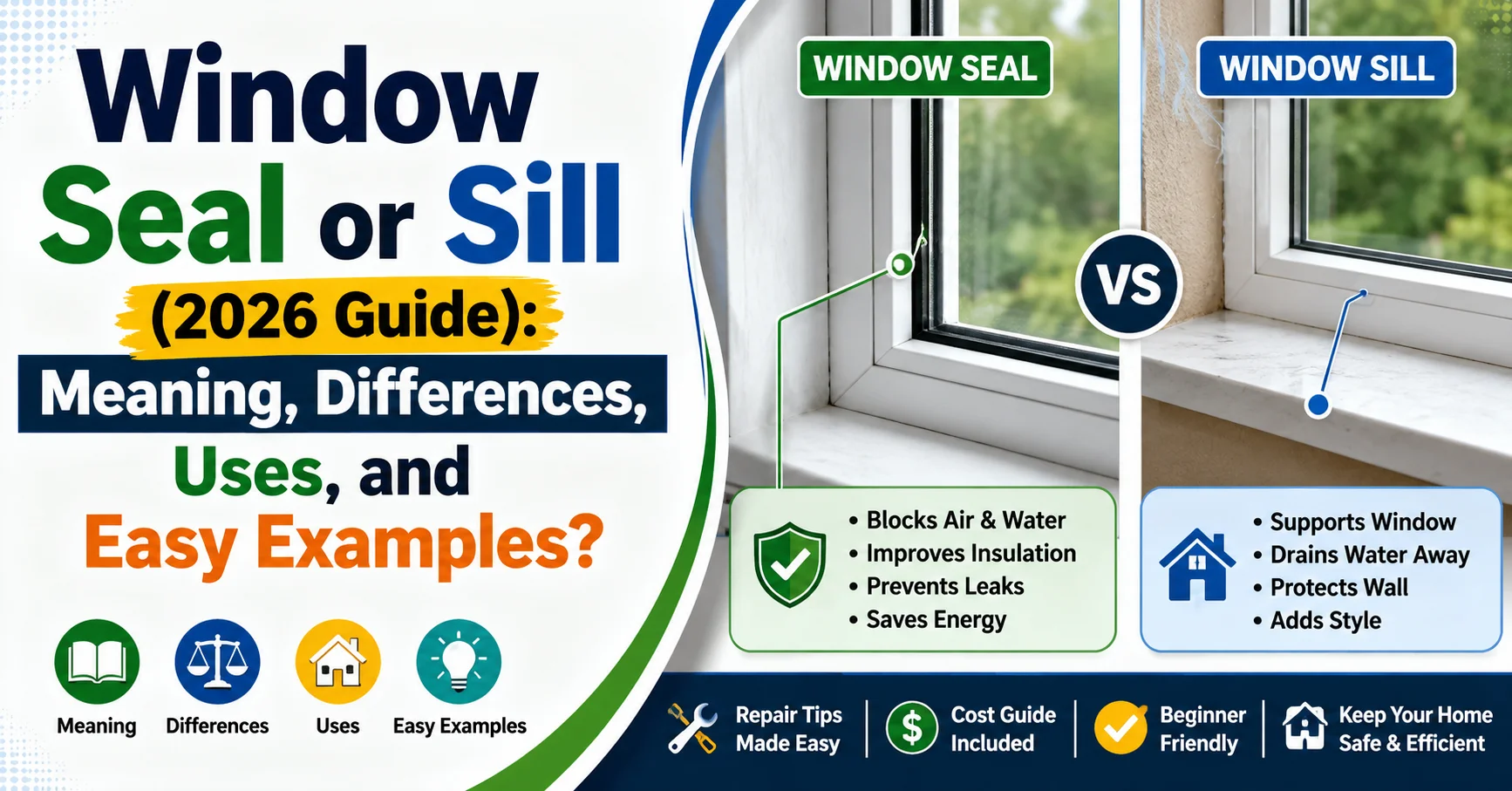
The good news is that the difference is simple once you understand how each part works. A window seal keeps air and water out. A window sill supports the window and helps water drain away.
In this guide, you will learn the real meaning of Window Seal or Sill, how they work, common problems, repair tips, costs, and easy examples from daily life. Everything is written in simple language so anyone can understand it.
What Does “Window Seal or Sill” Mean?
The phrase Window Seal or Sill usually appears when people are trying to identify a part of a window. These two parts serve different jobs.
A window seal is the material that blocks outside air, moisture, and dust from entering your home. It helps keep your house energy efficient.
A window sill is the flat piece found at the bottom of the window. It can be inside or outside the home. The sill supports the window frame and guides water away.
Many people use the wrong term because “seal” and “sill” sound alike. However, using the correct word matters when buying parts, talking to contractors, or searching for repairs online.
Here is the easiest way to remember it:
- Seal = keeps things out
- Sill = sits at the bottom
That simple trick helps many homeowners avoid confusion.
Understanding a Window Seal
A window seal acts like a protective barrier. It closes tiny gaps around the window glass and frame.
Without a good seal, cold air enters during winter. Hot air enters during summer. Rainwater may also leak inside your walls.
Modern windows often contain insulated glass units. These units have seals between glass panes filled with gas for insulation. If the seal breaks, fog appears between the panes.
Main Jobs of a Window Seal
| Function | Why It Matters |
|---|---|
| Blocks air leaks | Improves comfort |
| Stops water | Prevents mold |
| Keeps insulation strong | Saves energy |
| Reduces noise | Makes rooms quieter |
Window seals are usually made from rubber, silicone, vinyl, or foam materials. Over time, weather and sunlight can damage them.
Understanding a Window Sill
A window sill is the horizontal surface at the bottom of a window. Some people call it the “ledge.”
You can place small plants, books, or decorations on an indoor sill. The outside sill helps rainwater drain away from the wall.
Window sills may be made from:
- Wood
- Stone
- Vinyl
- Aluminum
- Marble
- PVC
The sill supports the window structure and protects the wall below it.
Common Types of Window Sills
| Type | Best Feature |
|---|---|
| Wood sill | Traditional appearance |
| Vinyl sill | Low maintenance |
| Stone sill | Very durable |
| Aluminum sill | Strong and weather-resistant |
A damaged sill can cause leaks, peeling paint, and wood rot around the window area.
Window Seal or Sill: The Main Difference
The easiest way to understand Window Seal or Sill is by comparing their jobs.
| Feature | Window Seal | Window Sill |
|---|---|---|
| Purpose | Blocks air and water | Supports the window |
| Location | Around glass or frame | Bottom of the window |
| Material | Rubber, silicone, foam | Wood, stone, vinyl |
| Main Problem | Air leaks or fogging | Rot or cracks |
| Repair Type | Replace sealant | Repair or replace sill |
The seal is mostly invisible because it hides around the edges. The sill is easy to see because it forms the bottom ledge.
Why People Confuse Window Seal and Sill
Many homeowners hear these terms during repairs and assume they mean the same thing.
The confusion happens because:
- The words sound similar
- Both are part of the same window
- Both help stop water damage
- Contractors may explain them too quickly
Imagine rain hitting your window. The seal blocks water from entering gaps. The sill catches and guides water away from the wall. They work together, but they are not identical.
Understanding the difference helps you describe problems correctly when talking to repair professionals.
Signs of a Broken Window Seal
A failed seal can create many problems inside your home. Some issues start small but become expensive later.
Here are the most common warning signs.
Fog Between Glass Panes
This is the biggest clue. Moisture enters between the panes after the seal fails.
Higher Energy Bills
Your heating and cooling system works harder when air leaks through damaged seals.
Drafts Near Windows
You may feel cold air near the frame during winter.
Water Leaks
Rainwater can seep indoors around the window edges.
Outside Noise Sounds Louder
A damaged seal weakens sound insulation.
Quick Checklist
| Symptom | Possible Cause |
|---|---|
| Foggy glass | Broken seal |
| Cold draft | Air leak |
| Water inside | Failed seal |
| High utility bill | Poor insulation |
If you notice several signs together, the seal likely needs repair or replacement.
Signs of a Damaged Window Sill
Window sills face sunlight, rain, dust, and temperature changes daily. Because of this, damage happens over time.
Here are common sill problems.
Rotting Wood
Wood sills absorb moisture if paint cracks or sealing fails.
Cracks or Chips
Stone and concrete sills may crack during extreme weather.
Peeling Paint
Water damage often causes bubbling or peeling paint.
Mold Growth
Moisture trapped near the sill creates mold spots.
Sagging Structure
Old sills may weaken and lose shape.
Damaged sills should not be ignored because water can spread into nearby walls and floors.
Which Problem Is More Serious?
Both problems matter, but the seriousness depends on the damage.
A broken seal mainly affects comfort and energy efficiency. A damaged sill can harm the structure around the window if ignored too long.
Here is a simple comparison.
| Issue | Risk Level |
|---|---|
| Broken seal | Medium |
| Rotten sill | High |
| Small crack in sill | Low to medium |
| Minor draft | Low |
If water enters your walls, act quickly. Moisture damage spreads fast.
How Window Seals Improve Energy Efficiency
Many people underestimate the value of good window seals.
A strong seal keeps indoor temperatures stable. Your air conditioner and heater do less work. That lowers energy bills.
Modern energy-efficient homes depend heavily on quality window sealing systems.
Here is how seals help:
- Reduce heat loss
- Stop outdoor air leaks
- Prevent moisture buildup
- Improve indoor comfort
- Lower electricity costs
In older homes, replacing damaged seals can make rooms feel warmer almost immediately.
Some homeowners notice lower utility bills within the first month after repairs.
How Window Sills Protect Your Home
Window sills do more than hold decorations.
Exterior sills are specially designed to move water away from walls. Without them, rainwater would run directly into the building.
That could cause:
- Wall stains
- Mold
- Rot
- Paint damage
- Foundation issues
Interior sills also add beauty and functionality to rooms.
A properly installed sill improves both appearance and protection.
Common Materials Used for Window Seals and Sills
Different materials offer different benefits.
Window Seal Materials
| Material | Benefit |
|---|---|
| Silicone | Flexible and waterproof |
| Rubber | Long-lasting |
| Foam | Good insulation |
| Vinyl | Affordable |
Window Sill Materials
| Material | Benefit |
|---|---|
| Wood | Warm appearance |
| PVC | Moisture resistant |
| Stone | Elegant and durable |
| Aluminum | Strong and modern |
Choosing the right material depends on climate, budget, and home style.
DIY Window Seal Repair Tips
Small seal problems are often easy to fix.
Here are beginner-friendly steps.
Clean the Area
Remove dirt and old sealant first.
Apply New Caulk
Use weatherproof silicone caulk around gaps.
Check for Drafts
After sealing, test for air leaks again.
Replace Weather Stripping
Old stripping around movable windows wears out over time.
Important Reminder
Large seal failures inside double-pane windows usually need professional repair or full glass replacement.
DIY methods cannot fix internal gas leaks between panes.
DIY Window Sill Repair Tips
Minor sill damage can also be repaired at home.
Sand Rough Areas
Smooth damaged wood carefully.
Fill Cracks
Use wood filler or exterior patch products.
Repaint the Surface
Protect the sill with weather-resistant paint.
Seal Against Moisture
Apply waterproof coating to prevent future damage.
Replace Rotten Sections
If wood becomes soft or crumbles easily, replacement may be necessary.
Small repairs today can prevent major repair bills later.
When Should You Call a Professional?
Some problems require expert help.
Call a professional if:
- Glass stays foggy
- Water leaks inside walls
- The sill feels soft
- Mold spreads quickly
- Large cracks appear
- Windows become difficult to open
Professionals can inspect hidden moisture damage that homeowners may miss.
A trusted contractor may also suggest better insulation upgrades.
Cost of Repairing a Window Seal or Sill
Repair costs vary based on size, material, and damage level.
Here are rough estimates.
| Repair Type | Average Cost |
|---|---|
| Basic seal repair | $50–$150 |
| Full seal replacement | $100–$400 |
| Minor sill repair | $75–$250 |
| Full sill replacement | $200–$700 |
Luxury materials like marble or custom wood may cost more.
Prices also vary by location and labor rates.
Real-Life Example of Window Seal vs Sill
A homeowner notices fog inside the glass and feels cold air nearby. This points to a broken seal.
Another homeowner sees peeling paint and soft wood below the window. That usually means sill damage.
These examples show why understanding Window Seal or Sill matters.
Correct identification saves time and repair costs.
Best Ways to Prevent Damage
Prevention is always cheaper than repairs.
Simple Maintenance Tips
- Inspect windows twice yearly
- Repaint wood surfaces regularly
- Clean drainage channels
- Replace cracked caulk quickly
- Keep moisture away from sills
- Watch for condensation buildup
Regular maintenance extends window life and improves home comfort.
Even a quick seasonal inspection helps catch problems early.
Window Seal or Sill in Modern Homes
Modern homes often use advanced materials for better durability.
Today’s energy-efficient windows include:
- Triple-pane glass
- Improved rubber seals
- Waterproof coatings
- Composite sills
- UV-resistant materials
These upgrades improve insulation and reduce long-term maintenance.
Homeowners now focus more on energy savings and moisture control than ever before.
Frequently Asked Questions
Is a window sill the same as a window seal?
No. A window seal blocks air and moisture, while a window sill is the bottom ledge supporting the window.
What happens when a window seal breaks?
You may notice foggy glass, drafts, water leaks, or higher energy bills.
Can I repair a window sill myself?
Yes, small cracks and paint damage are often DIY-friendly. Severe rot usually needs professional repair.
How long do window seals last?
Most quality window seals last between 10 and 20 years, depending on weather and maintenance.
Why does my window sill keep getting wet?
Poor drainage, damaged paint, or leaking seals may allow moisture to collect around the sill.
Conclusion
Understanding Window Seal or Sill is easier once you know their separate roles. The seal protects your home from air and moisture, while the sill supports the window and guides water away safely.
Although the terms sound alike, they solve different problems. Knowing the difference helps you communicate clearly during repairs and avoid costly mistakes.
A strong seal improves comfort and lowers energy bills. A healthy sill protects walls from moisture damage. Both are essential for a safe and efficient home.
If you notice drafts, foggy glass, peeling paint, or water damage, do not ignore the signs. Small repairs today can prevent major expenses tomorrow.
Regular window maintenance keeps your home comfortable, beautiful, and protected for years to come.
