


Introduction
If you’ve ever received a message that simply says “WTV,” you’re not alone in wondering what it means. Text slang keeps changing, and new abbreviations pop up all the time. Understanding these short forms helps you communicate better, especially on social media and messaging apps.
In this complete 2026 guide, we’ll break down the wtv meaning in text in a simple and friendly way. You’ll learn what it stands for, how people use it, and when you should (or shouldn’t) use it. We’ll also explore real-life examples, tone differences, and common mistakes.
Whether you’re chatting with friends or trying to decode a message, this guide will make everything clear. Let’s dive in and understand what “WTV” really means in texting.
What Does WTV Mean in Text?
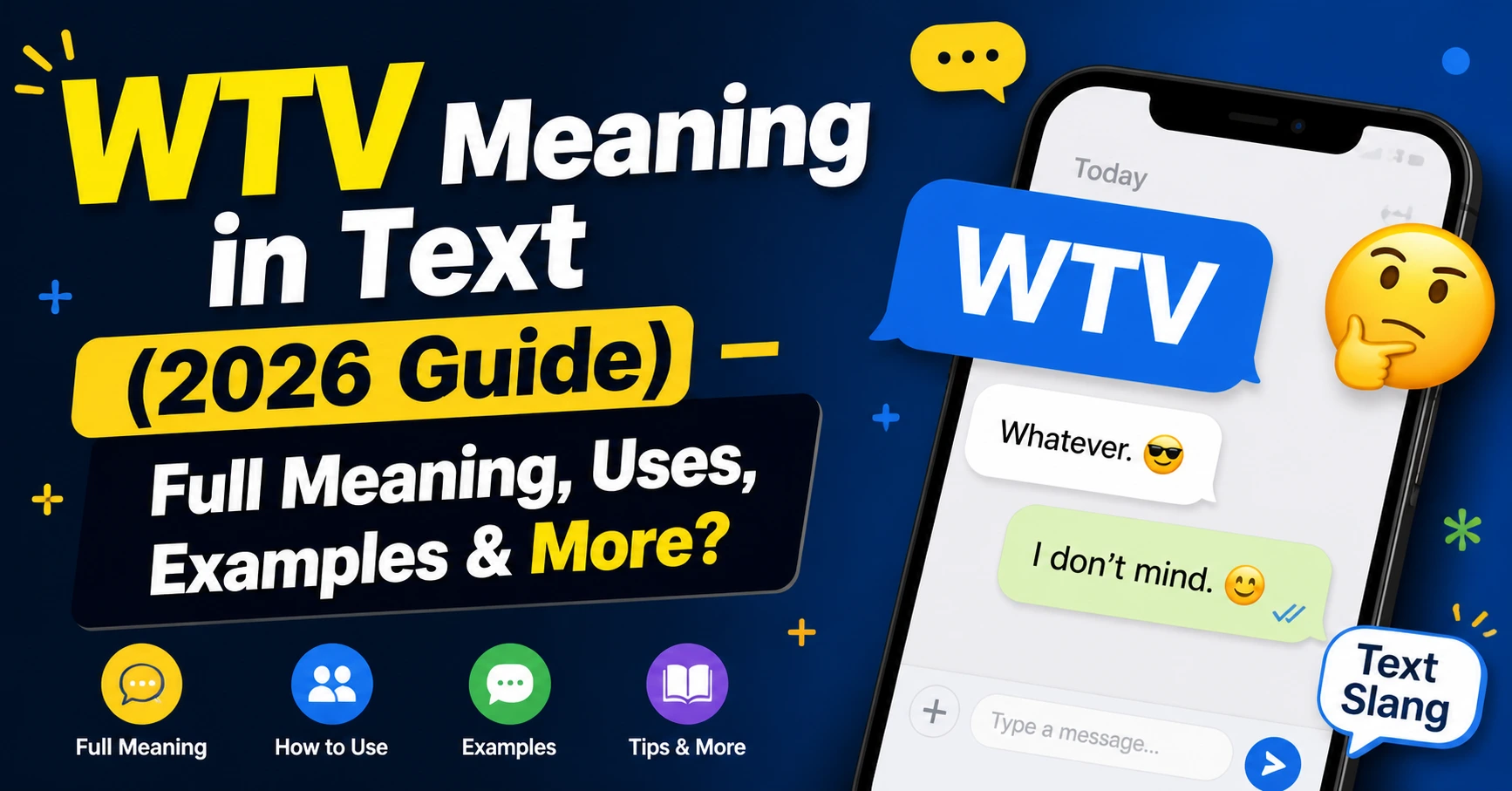
The wtv meaning in text is simple. It usually stands for “whatever.”
People use “WTV” as a short and quick way to express their thoughts. It often shows that someone doesn’t care much about the topic or is feeling relaxed about a decision.
For example:
- “WTV, you decide.”
- “I don’t mind, wtv works for you.”
In both cases, the person is being flexible or showing no strong opinion. However, tone matters a lot. Sometimes, “WTV” can sound calm. Other times, it can feel rude or dismissive.
Understanding the tone depends on the situation and the relationship between the people chatting. That’s why learning how it’s used is just as important as knowing its meaning.
Why Do People Use WTV in Texting?
People love short messages. They save time and effort. That’s one big reason why slang like “WTV” is popular.
The wtv meaning in text messaging fits perfectly into fast conversations. Instead of typing “whatever,” users just type “wtv” and move on.
Here are a few reasons people use it:
- It’s quick and easy
- It sounds casual
- It fits social media style
- It reduces typing effort
Also, many people use texting slang to feel more relaxed and informal. It makes conversations feel natural, like talking in real life.
Still, using “WTV” too often or in the wrong situation can send the wrong message. So, it’s important to use it wisely.
Different Meanings of WTV Based on Context
Even though the main wtv meaning in text is “whatever,” it can have slightly different meanings depending on how it’s used.
Here’s a simple table to explain:
| Context | Meaning | Example |
|---|---|---|
| Casual agreement | I don’t mind | “WTV you pick is fine.” |
| Indifference | I don’t care | “WTV, do what you want.” |
| Annoyance | Frustration or attitude | “WTV… I’m done arguing.” |
| Flexibility | Open choice | “WTV works best for you.” |
As you can see, tone changes everything. A friendly chat makes “WTV” sound soft. But in an argument, it can sound cold or rude.
How to Use WTV in Everyday Conversations
Using “WTV” is easy once you understand its tone. The what does wtv mean in text question becomes simple when you see it in real situations.
Here are some everyday examples:
- “WTV, I’ll meet you at 5.”
- “We can eat anywhere, wtv you like.”
- “WTV, it doesn’t matter to me.”
In friendly chats, it sounds relaxed and easygoing. It shows you are not picky and are okay with any option.
But be careful. If someone is serious or emotional, replying with “WTV” may seem careless. Always think about how the other person might feel before using it.
When WTV Can Sound Rude
This is where many people make mistakes. The wtv means in text can sometimes sound rude, even if you don’t mean it that way.
For example:
- “WTV, I don’t care anymore.”
- “Just do wtv.”
In these cases, it can sound dismissive or even disrespectful. It may feel like you are ignoring the other person’s feelings.
Here’s a quick table to understand tone:
| Situation | Tone of WTV |
|---|---|
| Friendly chat | Relaxed |
| Serious talk | Careless |
| Argument | Rude |
| Decision making | Flexible |
So, always match your tone with the situation. If the conversation is serious, it’s better to avoid slang.
WTV vs Other Similar Text Slang
There are many slang words similar to “WTV.” Understanding them helps you avoid confusion.
Here’s a comparison table:
| Slang | Meaning | Difference |
|---|---|---|
| WTV | Whatever | Neutral or dismissive |
| IDC | I don’t care | More direct |
| IDK | I don’t know | Shows confusion |
| NVM | Never mind | Cancels idea |
The what does wtv mean in texting question becomes clearer when you compare it with others. “WTV” sits between being flexible and slightly careless.
It’s softer than “IDC” but can still sound cold in certain situations.
Examples of WTV in Real-Life Chats
Let’s look at some real-style conversations to understand the what wtv mean in text better.
Example 1 (Friendly):
A: “Pizza or burgers?”
B: “WTV, both are good.”
Example 2 (Neutral):
A: “Should we go now?”
B: “WTV you think.”
Example 3 (Annoyed):
A: “You never listen!”
B: “WTV…”
These examples show how tone changes meaning. The same word can feel friendly or rude depending on context.
Should You Use WTV in Professional Texts?
Short answer: No.
The what do wtv mean in text usage is mostly for casual chats. It’s not suitable for professional or formal communication.
Avoid using it in:
- Work emails
- Business chats
- School assignments
- Professional messages
Instead, use full words like “whatever works best” or “I’m okay with any option.”
Using proper language shows respect and professionalism. Slang can make you look careless in serious situations.
Common Mistakes When Using WTV
Many people misunderstand the what do wtv mean in texting and use it incorrectly.
Here are some common mistakes:
- Using it in serious conversations
- Sending it without context
- Overusing it in chats
- Using it with strangers
For example, replying “WTV” to someone sharing feelings can seem rude. It may look like you don’t care.
Always think before using slang. Ask yourself: “Will this sound okay to the other person?”
How Teenagers and Social Media Use WTV
The what does wtv mean in a text is very popular among teenagers. It’s widely used on platforms like:
- Snapchat
- TikTok
Young users prefer quick replies. “WTV” fits perfectly in fast chats and comments.
For example:
- “WTV, I’m bored anyway.”
- “WTV happens, happens.”
It often reflects a relaxed or carefree attitude. Sometimes, it also shows emotional distance or lack of interest.
Understanding this helps you read messages more accurately, especially online.
Is WTV Positive or Negative?
The what do wtv mean in a text depends on tone. It can be both positive and negative.
Here’s a simple breakdown:
| Type | Meaning |
|---|---|
| Positive | Easygoing, flexible |
| Neutral | No strong opinion |
| Negative | Dismissive, careless |
So, “WTV” is not always bad. It depends on how and where you use it.
Personal Insight: When I Use WTV
From experience, I’ve noticed that “WTV” works best in relaxed chats. For example, when friends can’t decide on food or plans.
I often use it like:
“WTV, I’m okay with anything.”
But I avoid using it during serious talks. Once, I used “WTV” in a heated discussion, and it made things worse. The other person felt ignored.
That’s when I realized tone matters more than words. Even a simple slang like “WTV” can change the whole conversation.
Tips to Use WTV the Right Way
Here are some simple tips:
- Use it with friends only
- Avoid serious conversations
- Don’t overuse it
- Add emojis if needed for tone
- Think before sending
Following these tips will help you use the what does wtv mean in text correctly and avoid misunderstandings.
FAQs About WTV Meaning in Text
1. What does WTV mean in text messaging?
It means “whatever.” It shows flexibility or lack of strong opinion.
2. Is WTV rude in texting?
It can be rude depending on tone. In arguments, it may sound dismissive.
3. Can I use WTV in formal messages?
No, it’s better to avoid slang in professional communication.
4. What is the difference between WTV and IDC?
WTV is softer, while IDC (I don’t care) sounds more direct and harsh.
5. Why do people use WTV?
It saves time and makes conversations quick and casual.
Conclusion
Now you fully understand the wtv meaning in text and how it works in real conversations. It’s a simple slang word that stands for “whatever,” but its tone can change everything.
Used correctly, it shows flexibility and a relaxed attitude. Used wrongly, it can seem rude or careless. That’s why context and tone matter so much.
If you want to improve your texting skills, focus on clarity and respect. Slang like “WTV” is fun, but it should be used wisely.
Next time you see or use “WTV,” you’ll know exactly what it means—and how to respond the right way.
